

Understanding the psychological triggers behind casino gambling behavior
The Allure of Risk and Reward
One of the primary psychological triggers behind casino gambling behavior is the thrill associated with risk and reward. Gamblers are often drawn to the idea of winning large sums of money from a relatively small wager. This potential for a significant payoff ignites a sense of excitement and anticipation, which can be intoxicating. Naturally, players should also consider options like the best casinos not on gamstop uk that prioritize responsible gaming. This heightened arousal often leads to a state of euphoria, compelling individuals to chase after that next big win.
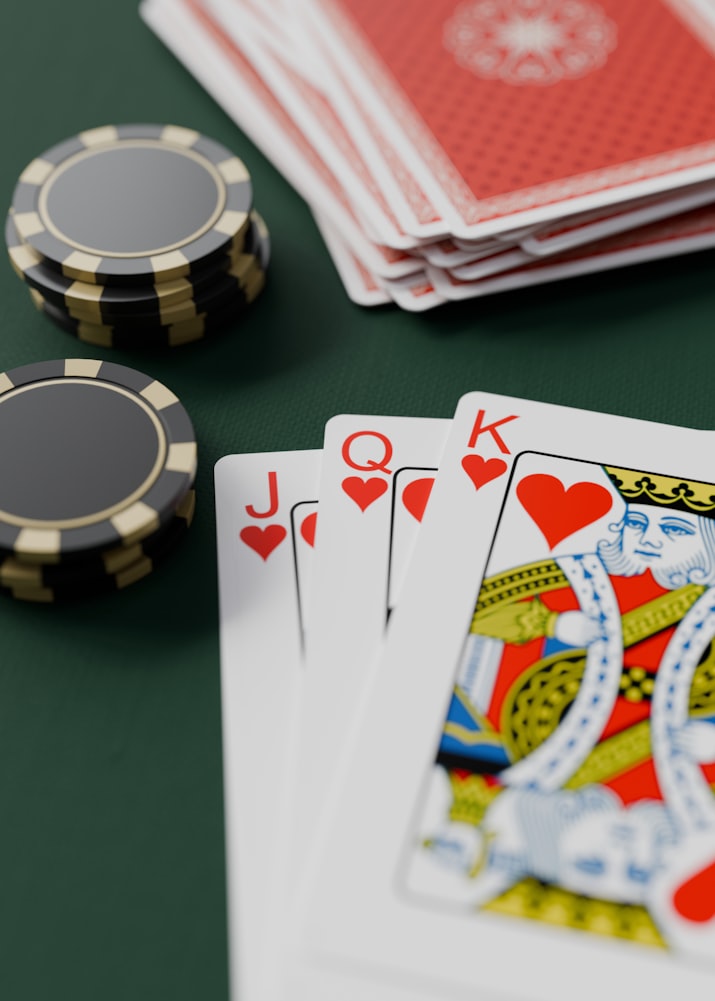
The concept of variable rewards, where outcomes are unpredictable and sporadic, further enhances this allure. This unpredictability creates a sense of suspense, much like playing a game of chance where the outcome is unknown until the very end. As players continue to engage, the intermittent nature of wins can reinforce their behavior, leading to a cycle of gambling that can be hard to break.
The Role of Cognitive Biases
Cognitive biases play a significant role in shaping gambling behavior. Many gamblers fall prey to the illusion of control, believing they can influence outcomes through their choices or strategies. For instance, a player might feel that they have a ‘lucky’ machine or that their betting strategy will lead to a higher chance of winning. This misperception fosters an overconfidence that can drive individuals to gamble more frequently and invest larger amounts.
The Social and Environmental Influences
The environment within casinos significantly impacts gambling behavior. Bright lights, loud noises, and enticing visuals are all designed to create a stimulating atmosphere that captivates players. This sensory overload can lead to increased excitement and a decreased sense of time, causing individuals to gamble longer than they initially intended.
Social influences also play a crucial role. Gamblers often engage in group dynamics, where the behavior and attitudes of peers can heavily influence individual decisions. Whether it’s the encouragement from friends or the presence of large crowds, social pressure can amplify the desire to gamble and participate in high-stakes games. Recognizing these environmental and social triggers is essential for fostering a more mindful approach to gambling.
The Emotional Journey of Gamblers
The emotional rollercoaster experienced by gamblers is another key factor in their behavior. Winning can lead to feelings of euphoria, while losing often results in frustration or despair. These emotional highs and lows can create a compulsive cycle, where the individual seeks to regain lost money or recreate the thrill of a win. This chase can be damaging, leading to increased financial risk and emotional distress.

Securing Responsible Gambling Practices
Responsible gambling is essential in navigating the complex world of casino gaming. Awareness of psychological triggers can help individuals recognize when their gambling habits may be becoming unhealthy. By understanding the impact of risk and reward, cognitive biases, social influences, and emotional responses, players can make more informed choices about their gambling behavior.
Websites dedicated to promoting responsible gaming often provide valuable resources and tools to help individuals manage their gambling activities. These platforms can educate users on setting limits, recognizing signs of problem gambling, and seeking help when needed. By fostering a culture of responsible gaming, players can enjoy the thrill of casinos while minimizing the risks associated with excessive gambling behavior.
“`