

Beyond Chance The Allure of Gambling and Its Hidden Dynamics
The Psychology Behind Gambling
The allure of gambling extends far beyond simple luck or chance; it taps into fundamental aspects of human psychology. At the heart of this phenomenon is the concept of risk and reward. Individuals are inherently drawn to risk-taking behavior, whether it’s the thrill of placing a bet or the excitement that accompanies potential wins. This psychological aspect fuels a cycle of anticipation and exhilaration that keeps players coming back for more, regardless of the outcome.
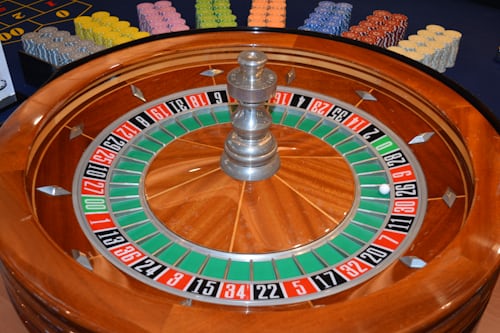
Moreover, cognitive biases play a significant role in how individuals perceive gambling. Many players fall prey to the illusion of control, believing that they can influence random outcomes. This mindset often leads to repeated play, with each small win reinforcing their beliefs. By understanding these hidden psychological dynamics, we can appreciate why gambling remains so enticing across different cultures and demographics, particularly in contexts like Rocketplay Casino.
The Social Dynamics of Gambling
Gambling is not merely an isolated activity; it has strong social dimensions that contribute to its allure. Casinos and online platforms create environments that foster community, where players share experiences and rituals. The collective atmosphere heightens the excitement, as individuals cheer for each other’s wins and empathize during losses. This sense of belonging can be incredibly appealing, making the gambling experience more than just a transaction; it becomes a shared journey.
Furthermore, social interactions and peer influences can significantly shape one’s gambling habits. Friends may encourage each other to gamble at events or during outings, reinforcing the behavior. This social reinforcement can sometimes lead to problematic gambling practices, underlining the complex interplay between individual choices and societal pressures. Understanding these elements is crucial for grasping the full scope of gambling’s impact on behavior.
The Economic Impact of Gambling
The gambling industry is a multi-billion-dollar sector, profoundly influencing economic landscapes globally. From job creation in casinos to tourism boosts in regions famous for gambling, the industry’s economic influence is undeniable. As people flock to casinos not only for the thrill but also for entertainment and social engagement, local economies often reap significant benefits from the influx of visitors.
However, the economic dimension of gambling also raises questions about regulation and ethics. With substantial profits at stake, there is a delicate balance between thriving businesses and the social consequences of gambling addiction. Policymakers must navigate this complex territory appropriately, ensuring that the economic advantages do not overshadow the potential for negative societal impacts.
Navigating the Complex World of Gambling Websites
As the digital landscape continues to evolve, the world of online gambling has surged in popularity, attracting a new generation of players. Websites offer a plethora of options ranging from traditional games to innovative experiences, making it convenient for individuals to play from the comfort of their homes. These platforms are skillfully designed to be user-friendly and engaging, which adds to their appeal.

However, with this convenience comes the need for caution. Not all gambling sites are created equal, and players should be vigilant in choosing reputable platforms that prioritize player safety and responsible gaming. Understanding protections, game fairness, and legal regulations can empower users to enjoy gambling as a source of entertainment while minimizing potential risks associated with excessive play or fraudulent practices.