

The historical evolution of gambling A journey through time and chance
Ancient Beginnings
The history of gambling can be traced back to ancient civilizations, where games of chance were intertwined with cultural and religious practices. Archaeological evidence suggests that as early as 3000 BC, Chinese citizens were playing rudimentary games involving dice. These primitive forms of gambling were often connected to fortune-telling and divination, showcasing the intrinsic human desire for luck and fate. Notably, modern online platforms like betflare exemplify how gambling has evolved over time.

In ancient Rome, gambling became a popular pastime among citizens, despite the legal restrictions imposed by the state. The Romans developed various games, including dice and betting on gladiatorial contests. Such activities illustrated not only the social dynamics of the time but also laid the groundwork for modern betting practices that would emerge centuries later.
The Middle Ages and Renaissance
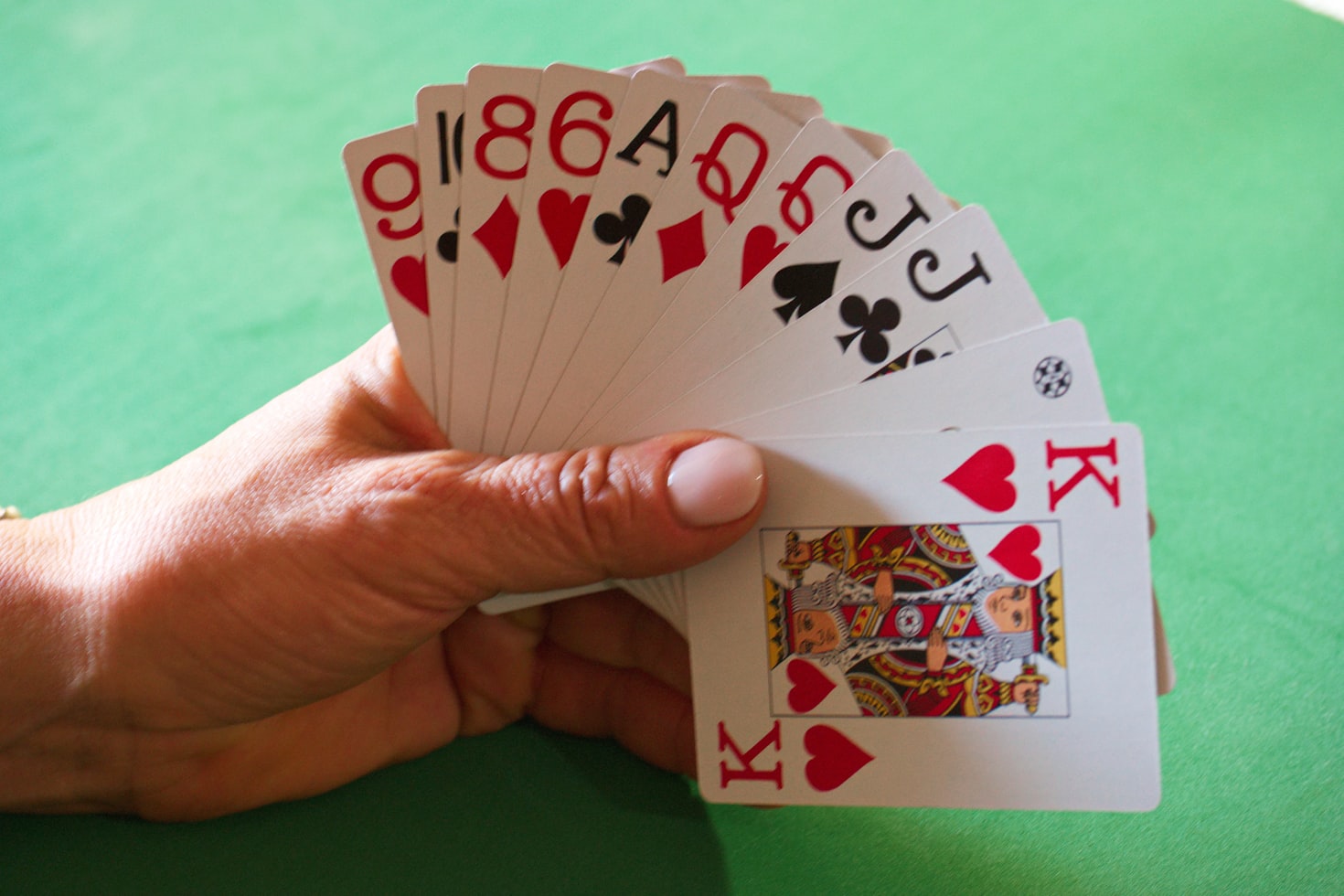
The Middle Ages saw a fluctuating relationship with gambling, influenced by the Church’s opposition to games of chance. Nevertheless, people continued to engage in various forms of betting, often in secret or in underground venues. By the Renaissance, the emergence of playing cards revolutionized gambling, leading to the development of popular card games that are still played today.
As gambling began to resurface in society, the first gambling houses, or casinos, emerged in Italy during the 17th century. These establishments provided a regulated environment for wagering, attracting the elite and wealthy patrons. This period marked a significant shift from informal betting to a more organized approach to gambling.
The Birth of Modern Gambling
The 19th century witnessed a dramatic evolution in gambling practices, particularly with the rise of the casino as a formal institution. The opening of casinos in Monaco and Las Vegas in the 20th century further popularized gambling, making it accessible to a broader audience. This era introduced a variety of games, such as roulette and blackjack, which became staples in casinos around the world.
Technological advancements also played a crucial role in transforming the gambling landscape. The invention of the slot machine in the late 1800s brought about a new form of entertainment. These machines quickly became a staple in casinos, captivating players with their simplicity and the chance of winning big, thus further embedding gambling in popular culture.
The Digital Revolution
The advent of the internet in the late 20th century marked a watershed moment for the gambling industry. Online casinos began to appear, providing players with the convenience of gambling from the comfort of their homes. This digital shift not only expanded the reach of gambling but also introduced new games and formats that appealed to a tech-savvy audience.
Mobile gaming further revolutionized the industry, allowing players to gamble on-the-go. With the rise of smartphones, accessing online casinos became easier than ever, resulting in an explosion of new players and gaming options. This evolution reflects the changing preferences of modern consumers and the ongoing adaptation of the gambling industry to meet those needs.
Betflare Casino and the Future of Gambling
Betflare Casino stands at the forefront of the contemporary gambling scene, offering a vast selection of over 7,500 games that cater to players of all skill levels. With a commitment to providing an authentic casino experience, Betflare combines luxury with convenience, allowing players to enjoy slots, table games, and live dealer options with ease.
Moreover, Betflare’s generous bonuses, including a substantial welcome package and free spins, enhance the gaming experience and attract new players. With 24/7 support and secure payment options, the platform ensures a seamless and enjoyable environment for those looking to embark on their own journey through time and chance in the world of gambling.